
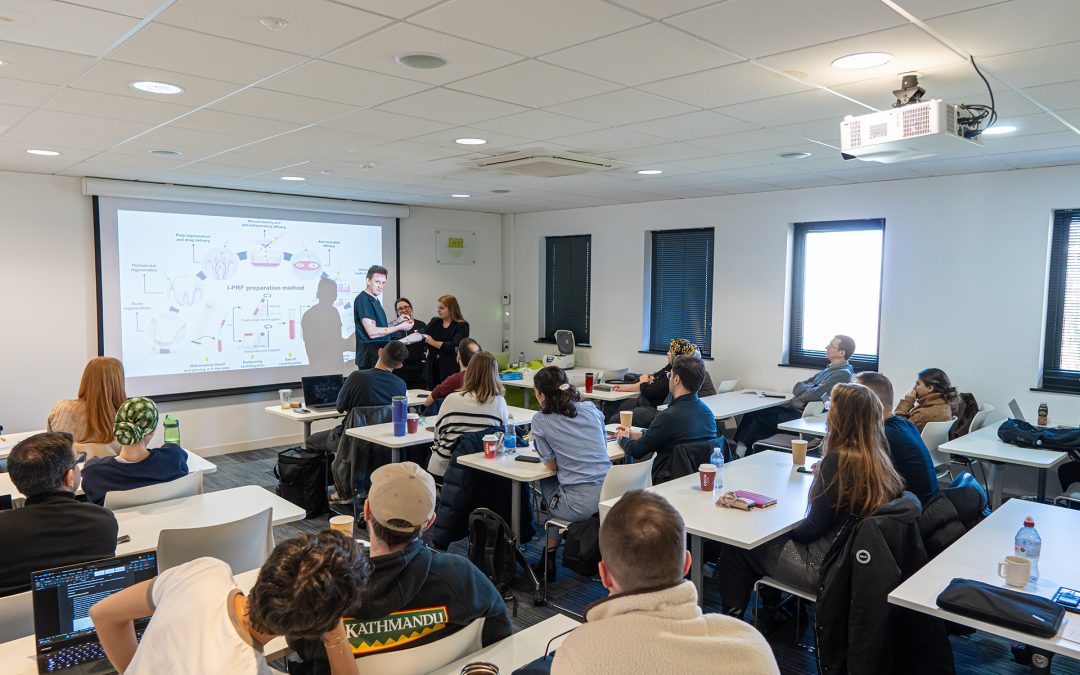
Introduction to MSc in Dental Implantology
The demand for advanced dental procedures is growing rapidly, and an MSc in Dental Implantology is becoming a must-have qualification for dentists who want to stay competitive. Dental implants are now considered the gold standard for tooth replacement, offering long-term functional and aesthetic solutions for patients.
What Is Dental Implantology?
Dental implantology is a specialised field focused on replacing missing teeth using titanium implants placed into the jawbone. These implants act as artificial roots, supporting crowns, bridges, or dentures. It combines surgical precision with restorative expertise.
Why This Qualification Is in High Demand
Patients today are more informed and are actively seeking implant solutions. This surge in demand means dentists with implant training can:
-Improve patient outcomes
-Expand their treatment offerings
-Increase case value
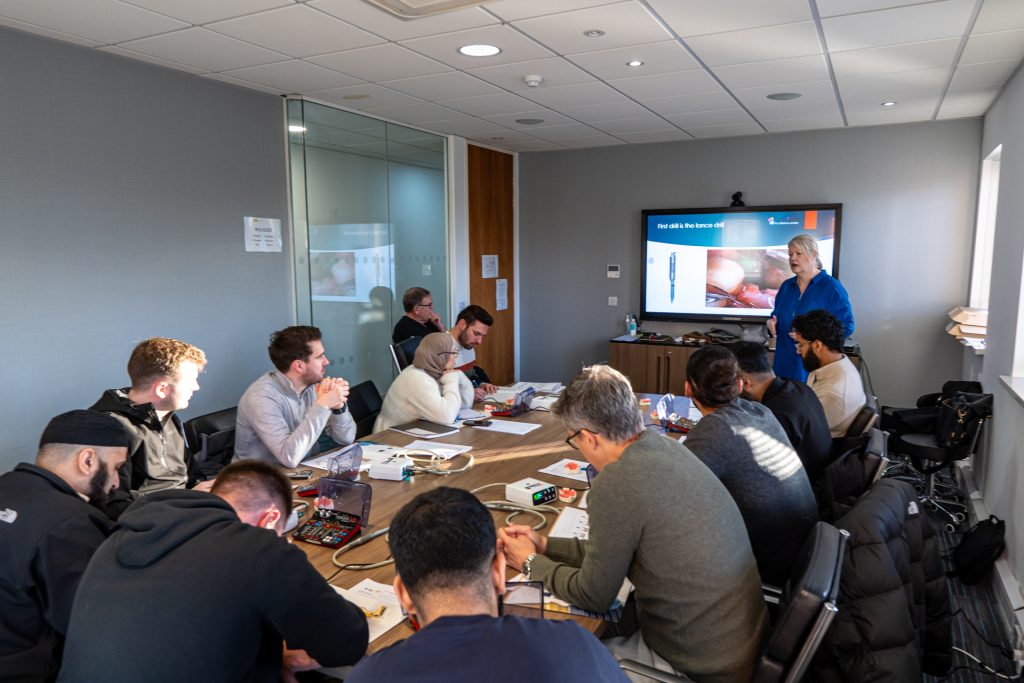
Overview of MSc in Dental Implantology at ICE
The MSc in Dental Implantology offered by ICE Postgraduate Dental Institute & Hospital, in partnership with the University of Salford, is designed to provide both academic excellence and real-world clinical experience.
👉 Learn more here: https://icedentalimplants.co.uk/msc-in-dental-implantology/
Partnership with University of Salford
This programme is university-accredited, ensuring a recognised postgraduate qualification that enhances your professional credibility.
Programme Duration and Structure
Unlike many generic courses, this MSc follows a structured 3-year part-time format, allowing dentists to continue working while studying.
Year 1 Modules
- Patient Assessment & Treatment Planning
- Implant Surgery
Year 2 Modules
- Restorative Treatment & Maintenance
- Dental Implant Procedures & Complex Cases
Year 3 Dissertation
- Research-based dissertation to demonstrate academic and clinical understanding
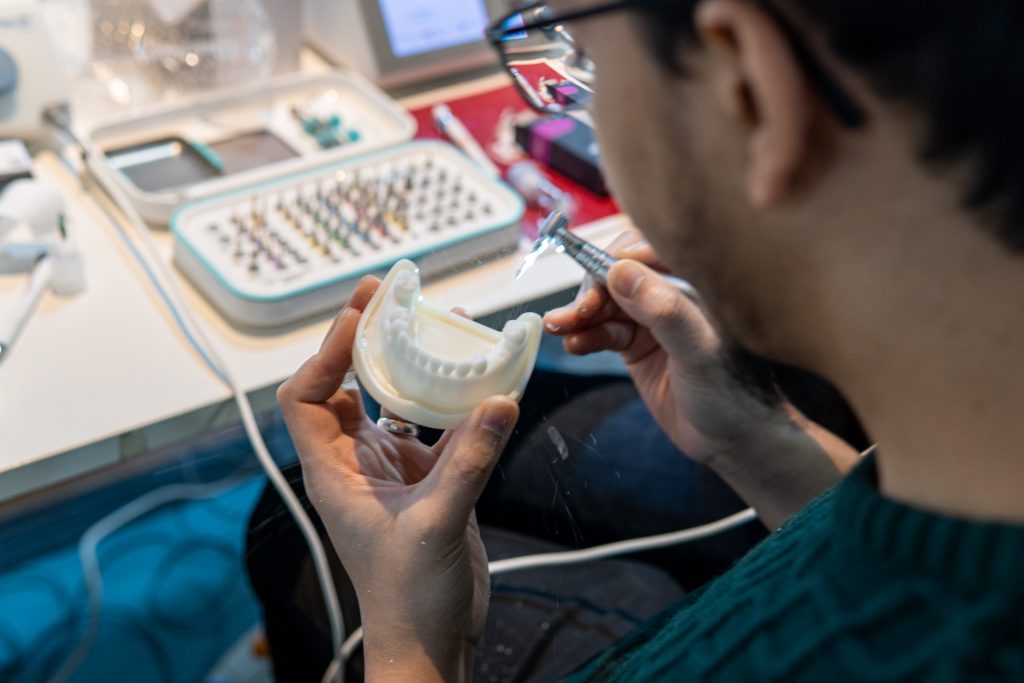
Course Structure and Modules in Detail
Patient Assessment and Treatment Planning
This module focuses on building strong diagnostic skills. You’ll learn how to assess patient suitability, interpret CBCT scans, and create predictable treatment plans.
Implant Surgery and Clinical Skills
Surgical training is a core part of the programme. Students develop skills in implant placement, soft tissue management, and complication handling.
Restorative Techniques and Maintenance
Restoring implants correctly is just as important as placing them. This module covers prosthetics, occlusion, and long-term maintenance.
Complex Cases and Advanced Procedures
As confidence grows, students are introduced to more advanced cases, including complex restorations and multi-implant treatments.
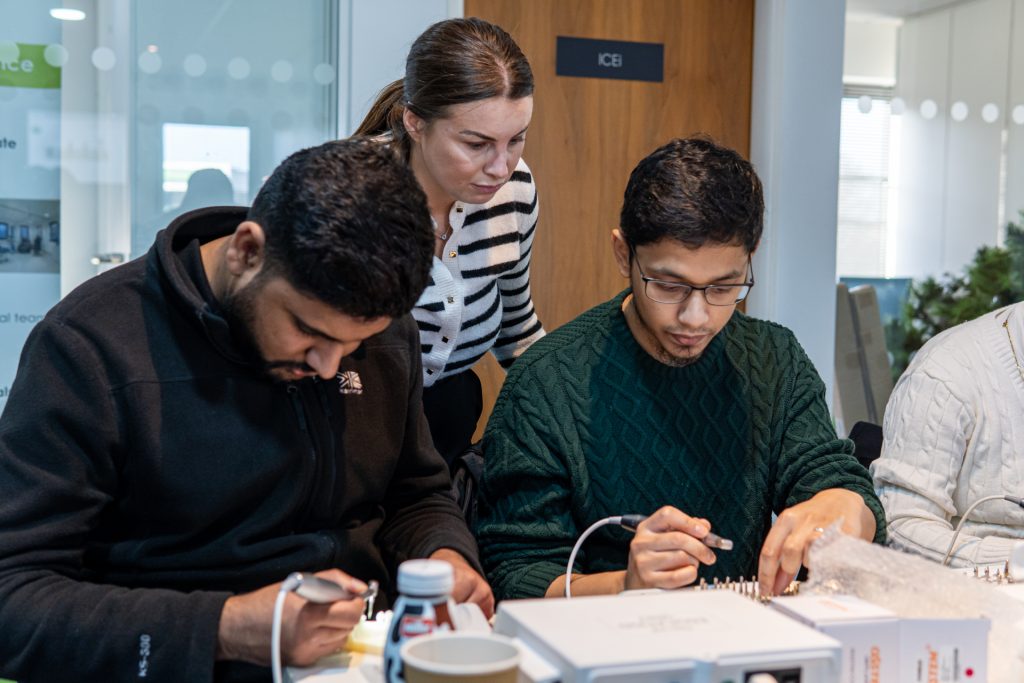
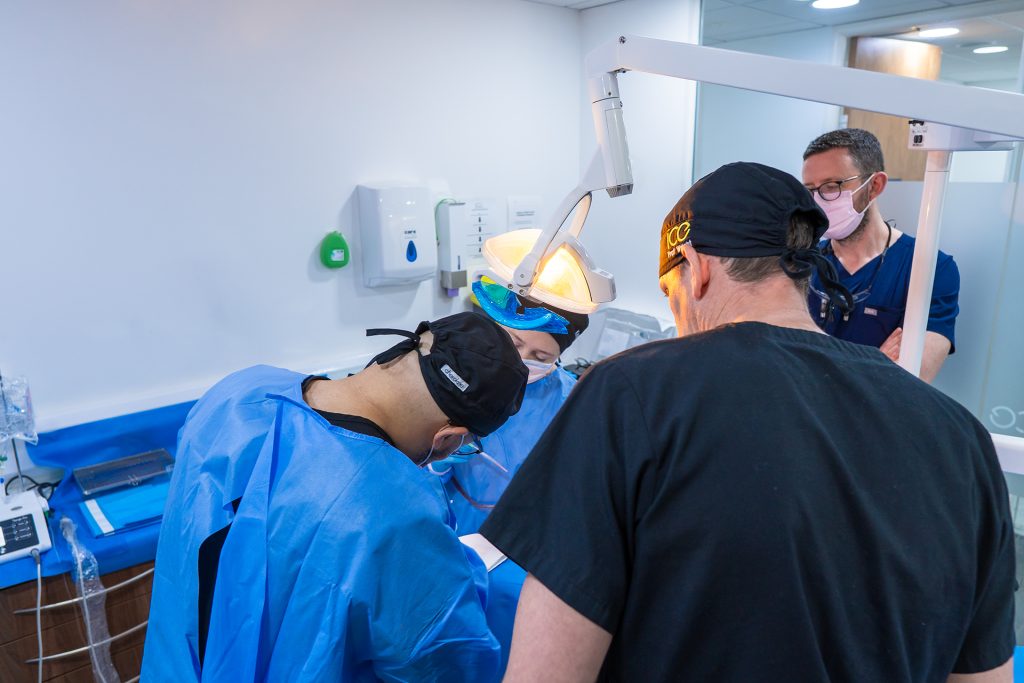
Hands-On Clinical Training Experience
One of the biggest advantages of this MSc in Dental Implantology is its strong emphasis on practical learning.
Real Patient-Based Learning
Students don’t just practise on models—they work with real patients, gaining invaluable clinical experience.
Minimum Implant Case Requirements
You will complete a minimum of four implant cases under expert supervision, ensuring real competence before independent practice.
Mentorship and Supervision
Experienced clinicians provide step-by-step guidance, helping you refine your technique and build confidence.
Learning Format and Study Commitment
Lecture Days and Clinical Days
The programme includes:
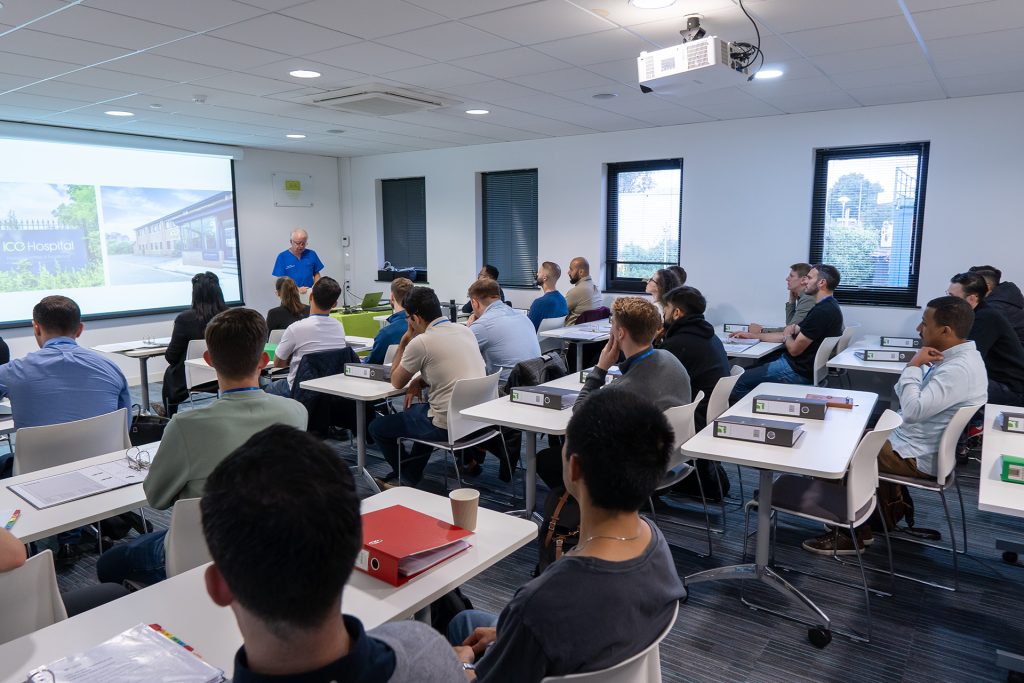
- 15 lecture days per year
- At least 8 clinical days per year
This structured approach ensures a balance between theory and practice.
Work-Study Balance
Because the course is part-time, you can continue working in your practice while studying—making it ideal for busy professionals.
Entry Requirements for MSc in Dental Implantology
Academic and Professional Criteria
Applicants must have:
- A recognised dental degree
- Professional registration (e.g., GDC)
- Indemnity insurance
Required Experience
Typically, candidates should have around 2 years of clinical experience.
Fees and Financing Options
Tuition Costs
The tuition fee is approximately £10,609 per year (increasing each year), making it a competitive option for a university-accredited MSc.
Payment Plans
Flexible payment plans are available, helping make the investment more manageable.
Digital Dentistry Tools
Training includes modern technologies like:
- CBCT imaging
- Intraoral scanners
- Guided implant surgery
Assessment Methods
Coursework and Exams
Assessment includes:
- Written assignments
- Presentations
- OSCE examinations
Clinical Portfolio
Students must maintain an ePortfolio, documenting clinical cases and progress.
Career Opportunities After MSc in Dental Implantology
Private Practice Growth
Adding implant services can significantly increase revenue and patient retention.
Specialist Implant Clinics
You may choose to focus entirely on implant dentistry in dedicated clinics.
Teaching and Research
Graduates can also pursue academic roles or contribute to dental research.
Key Benefits of Studying MSc in Dental Implantology
Increased Earnings
Implant treatments are among the highest-value procedures in dentistry.
Clinical Confidence
Hands-on training ensures you’re fully prepared for real-world cases.
Professional Recognition
An MSc enhances your reputation and positions you as an expert.
Why Choose ICE Dental Implants
Unique Selling Points
- Patients provided (no need to find your own)
- Real clinical experience
- Minimum implant cases completed
- 405 CPD hours included
- University-accredited qualification
Location and Facilities
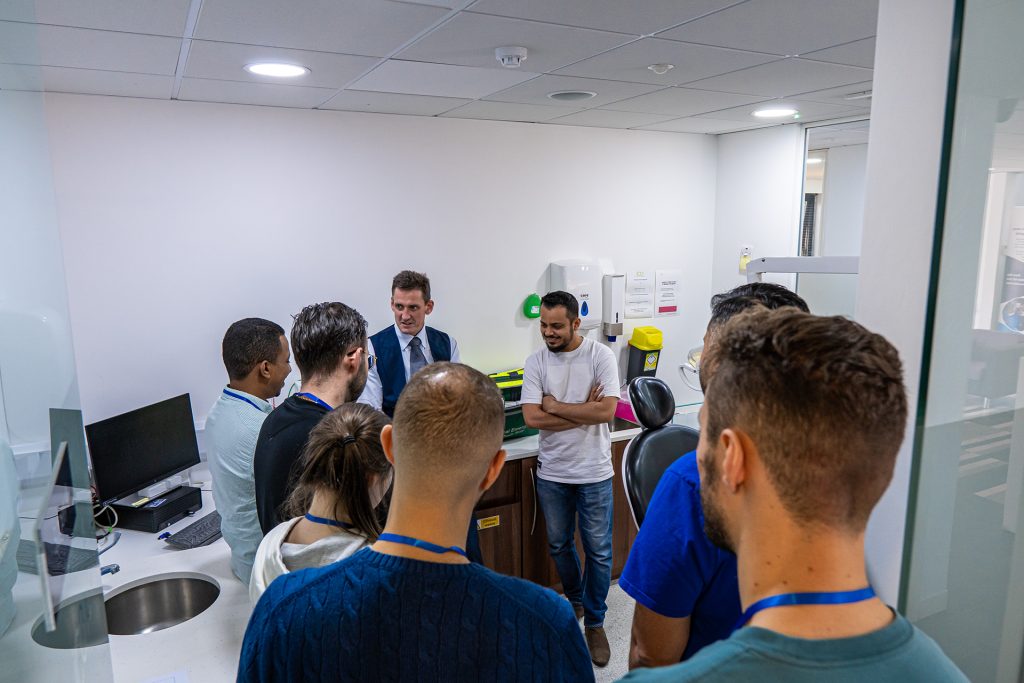
The programme is delivered in a modern facility in Salford Quays, Manchester, equipped with advanced dental technology.
Future of Dental Implantology
Digital Dentistry
Technology continues to improve precision and efficiency in implant procedures.
Patient Demand Trends
With an ageing population and rising expectations, demand for implants will only continue to grow.
FAQs About MSc in Dental Implantology
1. How long is the MSc in Dental Implantology?
It is a 3-year part-time programme.
2. Do I need to find my own patients?
No, patients are provided as part of the course.
3. How many implant cases will I complete?
You will complete a minimum of four supervised cases.
4. Can I work while studying?
Yes, the course is designed for working professionals.
5. Is the degree accredited?
Yes, it is awarded in partnership with the University of Salford.
6. What is the annual tuition fee?
Approximately £10,609 per year.
Conclusion
An MSc in Dental Implantology is a powerful investment in your professional future. With structured learning, hands-on clinical experience, and university accreditation, this programme equips you with the skills and confidence needed to succeed in modern dentistry.
If you’re looking to expand your expertise, increase your earning potential, and deliver better patient outcomes, this qualification offers a clear and rewarding path forward.
Recent Comments